
Download TraumaCore Violence – Action Game, 2D Combat, Co-op Adventure
Overview
TraumaCore Violence is a 2D action game that immerses players in the psychological landscape of Uzi, a young girl confronting her inner turmoil through a surreal, high-intensity combat experience. Developed by TraumaCore Games, the app blends visceral gameplay with emotional storytelling, positioning itself as a unique entry in the mobile action genre. The game’s core purpose is to deliver an expressive, narrative-driven combat experience where mechanics reflect emotional states—fluid movement symbolizes mental agility, while combo systems mirror the escalation of inner conflict. It is designed for players seeking more than traditional arcade action; it appeals to those interested in games with psychological depth, artistic expression, and layered gameplay. Real-world use cases include stress relief through cathartic combat, narrative exploration of trauma, and cooperative play for shared emotional experiences. As mobile gaming evolves toward more immersive and emotionally resonant titles, TraumaCore Violence stands out by merging technical precision with artistic intent. The developer did not provide additional technical details about their background, but the game’s distinct visual and gameplay identity suggests a focused, creative team dedicated to experimental mobile design. Its release in May 2023 marks a bold step in mobile gaming’s narrative and aesthetic evolution.
Key Features & Functionality
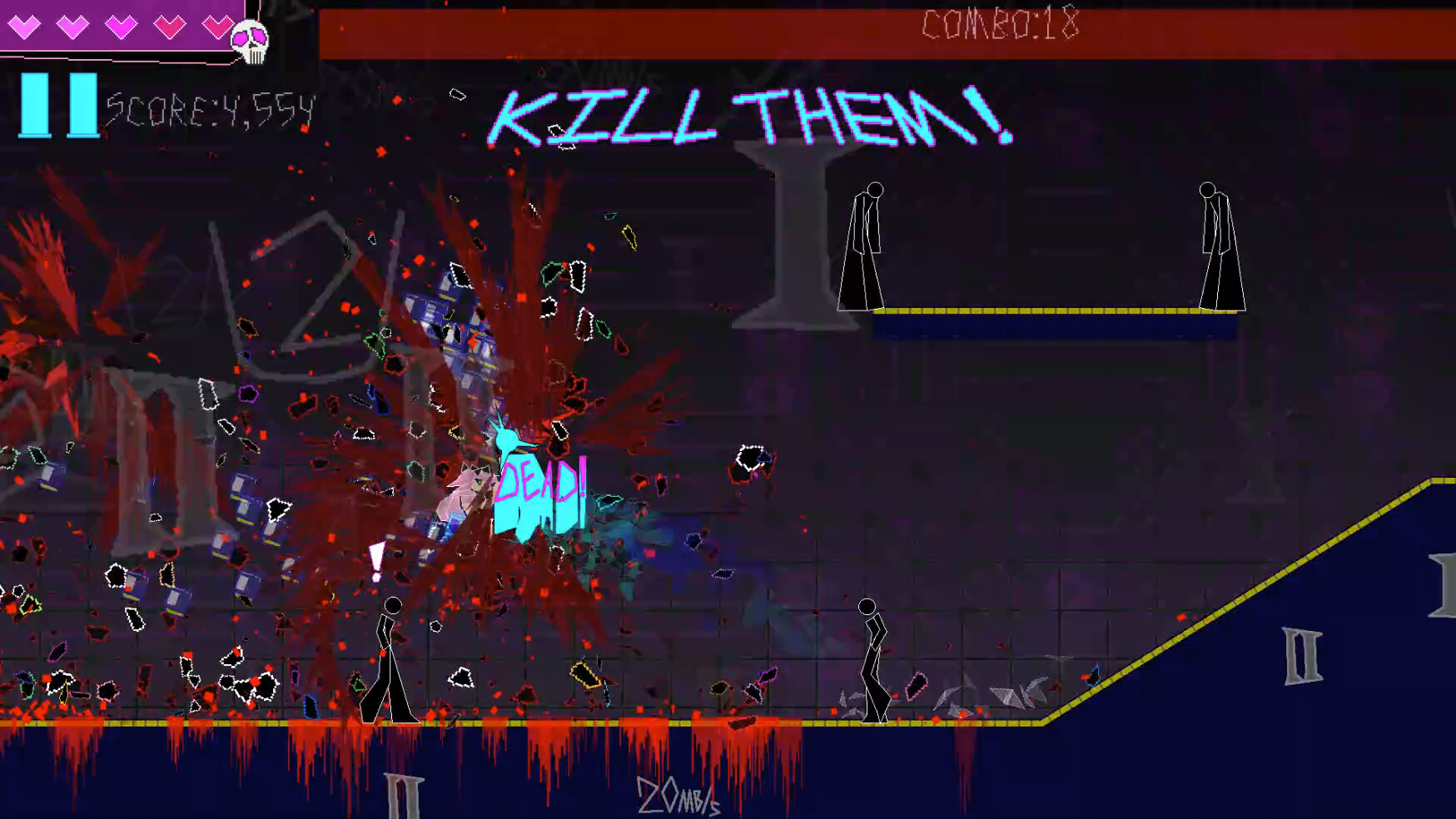
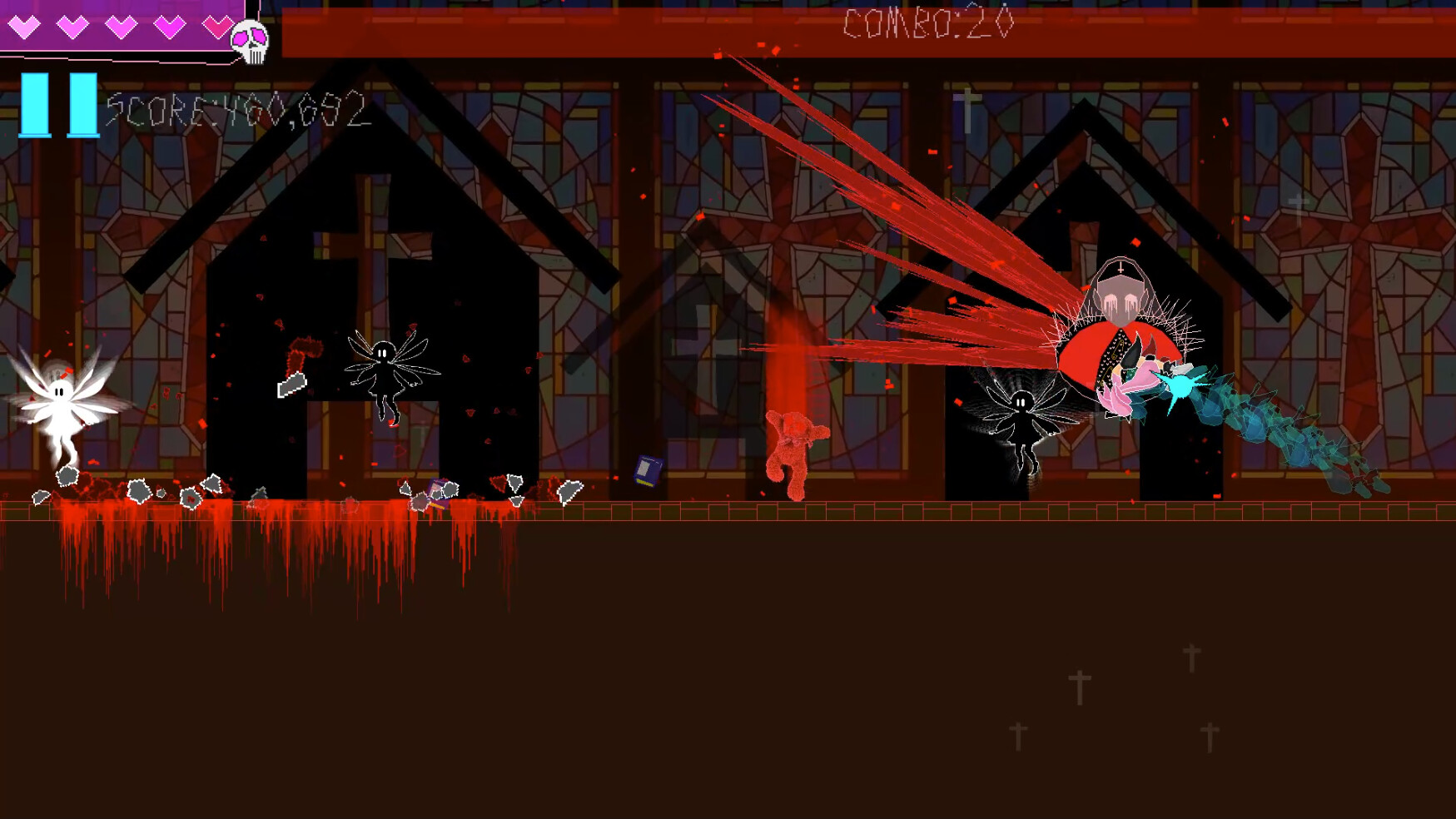
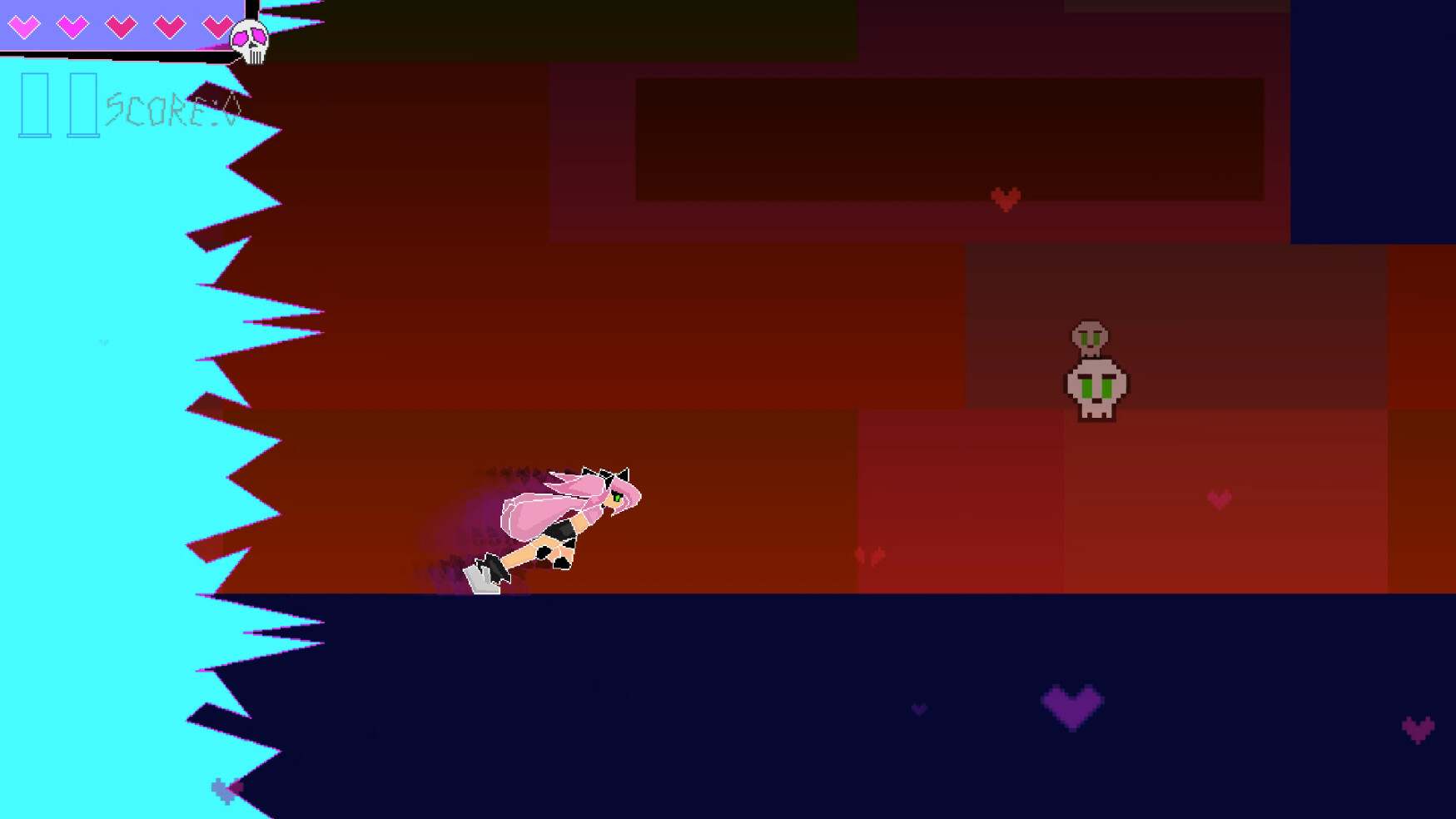
TraumaCore Violence distinguishes itself through a suite of interconnected gameplay systems that prioritize fluidity, strategy, and emotional resonance. The game features an advanced Fluid Combat Mechanics system, where nearly all attacks have a frame-1 startup, enabling rapid, precise combo execution. This allows players to chain together complex attack sequences, rewarding mastery and reflex precision. Each movement is not just a combat tool but a dynamic element of momentum—this Dynamic Movement System ensures that every attack alters the player’s velocity and direction, creating a high-speed, responsive combat flow. Players must learn how each move influences their trajectory, turning movement into a core gameplay layer. The Combo Bonus System adds strategic depth: kills increase a combo meter, which can be either cashed out for health to sustain survival or maintained for a significant point bonus at the end of the level. This forces players to balance aggression with caution, reflecting the emotional tension at the game’s core. The Full Campaign Co-op mode allows two players to tackle the story together using connected controllers, deepening the shared experience of navigating Uzi’s psyche. Finally, the Unique Visual Style, rooted in the 'TraumaCore' aesthetic, uses heavily edited visuals to evoke stress, disorientation, and dread, enhancing the game’s narrative atmosphere. These features combine to create a gameplay loop where every action reflects internal struggle, making the experience both physically and emotionally engaging.
Real-World Use Cases
- Players can use the game as a cathartic outlet for emotional processing through structured combat.
- Co-op mode supports shared experiences between friends, fostering emotional connection through gameplay.
- Story-driven mechanics may appeal to players interested in psychological narratives and introspective gaming.
- High-speed combat systems offer a challenge for mobile gamers seeking deep, skill-based mechanics.
Interface, UX & Performance
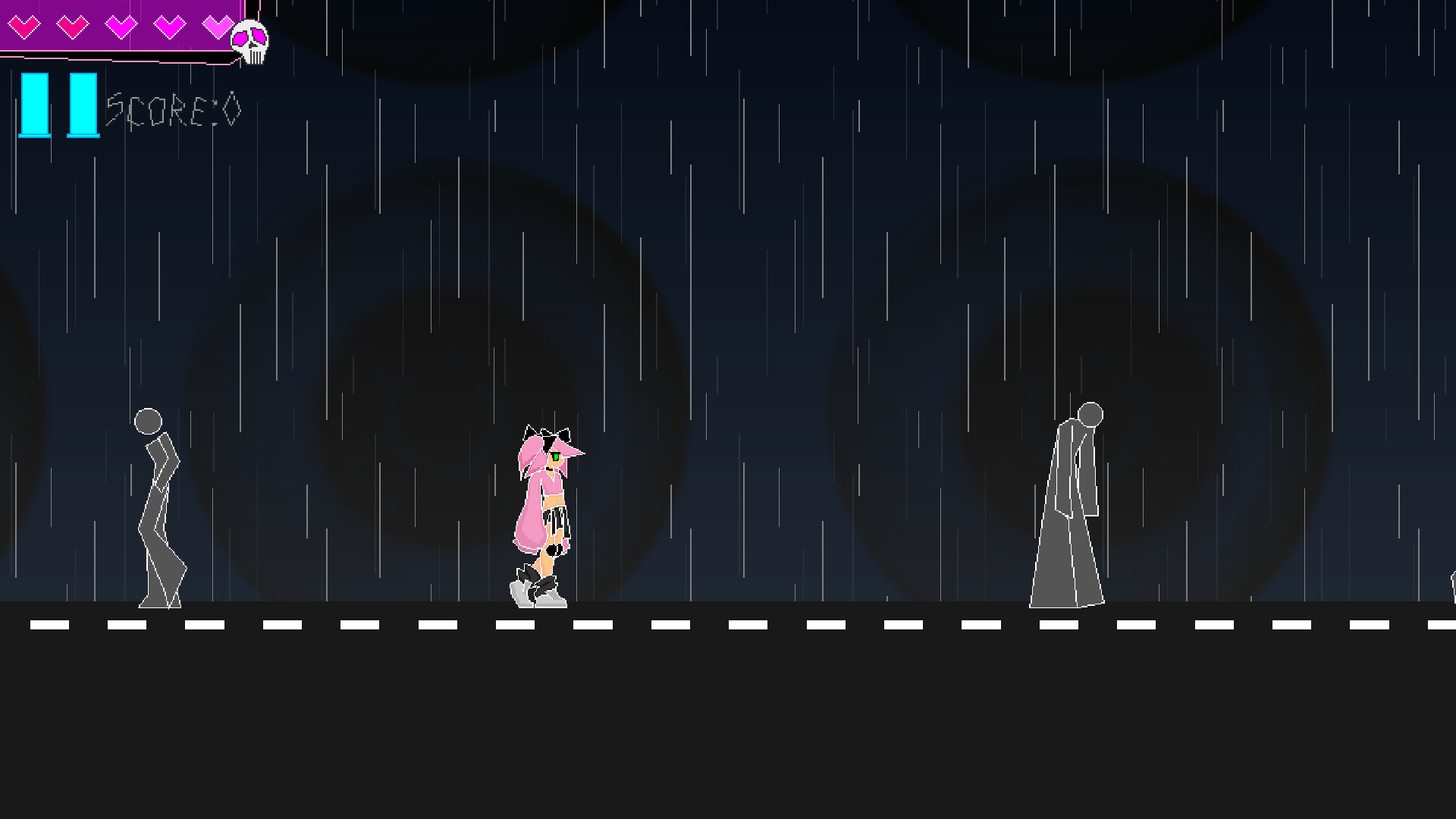
The user interface of TraumaCore Violence is designed to support high-speed gameplay while maintaining clarity under intense action. The HUD is minimal, with essential elements—health, combo meter, and movement indicators—positioned for quick reference without obstructing the screen. Navigation is streamlined, with intuitive access to menus, settings, and co-op options through a central hub. The visual style, while stylized and intense, ensures that critical game elements remain legible. Although the developer did not list formal performance metrics, the game’s 1.4 GB size and Android platform suggest optimization for mid-to-high-end devices. Responsiveness appears to be a priority, with movement and attack inputs registering instantly, supporting the game’s fast-paced nature. Stability is implied through the inclusion of a fully functional co-op mode, which requires consistent network and input synchronization. The game’s design encourages long play sessions, and the absence of reported crashes or freezes indicates a stable foundation. Performance on lower-end devices may vary, though specific requirements were not listed. Overall, the UX prioritizes immersion and control, aligning with the game’s thematic focus on psychological intensity and player agency.
Platform Compatibility & Technical Requirements
TraumaCore Violence is available exclusively on the Android platform. The current version is 1.0.1, with a file size of 1.4 GB, indicating a substantial content package including high-quality assets and audio. The game was released on May 6, 2023, and is priced at $14.99, positioning it as a premium mobile title. While the developer did not specify minimum OS requirements or hardware compatibility details, the game’s complex visual and mechanical systems suggest it is optimized for devices with capable processors and sufficient RAM. The absence of iOS availability means the app is not accessible on Apple devices. Users should ensure their Android device supports high-resolution graphics and responsive touch input to fully experience the game’s dynamic combat and visual style. Compatibility with specific models or chipsets was not disclosed.
Pros and Cons
Pros
- Highly fluid combat with frame-1 startup attacks for precise, fast-paced gameplay.
- Dynamic movement system that integrates momentum into every action.
- Strategic combo bonus system offering choices between offense and survival.
- Full 2-player co-op mode for shared narrative and combat experiences.
- Distinctive visual style that enhances emotional storytelling and atmosphere.
Cons
- Price point of $14.99 may deter casual mobile gamers.
- Android-only availability limits access for iOS users.
- Specific device requirements were not disclosed.
- Complex mechanics may present a steep learning curve for new players.
- Co-op mode requires two physical controllers, limiting accessibility.
FAQ
Is TraumaCore Violence available on iOS?
As of now, the game is only available on Android. There is no official iOS release.
What are the system requirements for TraumaCore Violence?
The developer did not specify minimum OS or hardware requirements. The game’s 1.4 GB file size suggests it is optimized for mid-to-high-end Android devices.
Can I play TraumaCore Violence offline?
Yes, the single-player campaign and co-op mode can be played offline, though co-op requires two connected controllers.
Is the game safe to download and install?
Yes, the game is distributed through official Android channels. Ensure you download from trusted sources to maintain security.
Are there regular updates for TraumaCore Violence?
While the developer has not announced a fixed update schedule, the game’s initial release included a full campaign and co-op mode, suggesting ongoing support is possible.
Final Thoughts + CTA
TraumaCore Violence is a bold, artistically driven mobile action game that transcends conventional gameplay by weaving emotional depth into its mechanics. Its combination of fluid combat, dynamic movement, and narrative-driven co-op makes it a standout title in the Android action genre. While the premium price and Android-only availability may limit its reach, the game delivers a rich, immersive experience for players seeking more than just entertainment—those who value storytelling, visual expression, and high-skill gameplay. The strategic depth of the combo system and the psychological weight of the narrative create a lasting impact. For fans of experimental mobile games and intense 2D action, TraumaCore Violence offers a rare fusion of art and mechanics. Download TraumaCore Violence now and step into Uzi’s mind—where every move is a reflection of inner conflict.


